News & Insights
Expats Guides in Hurghada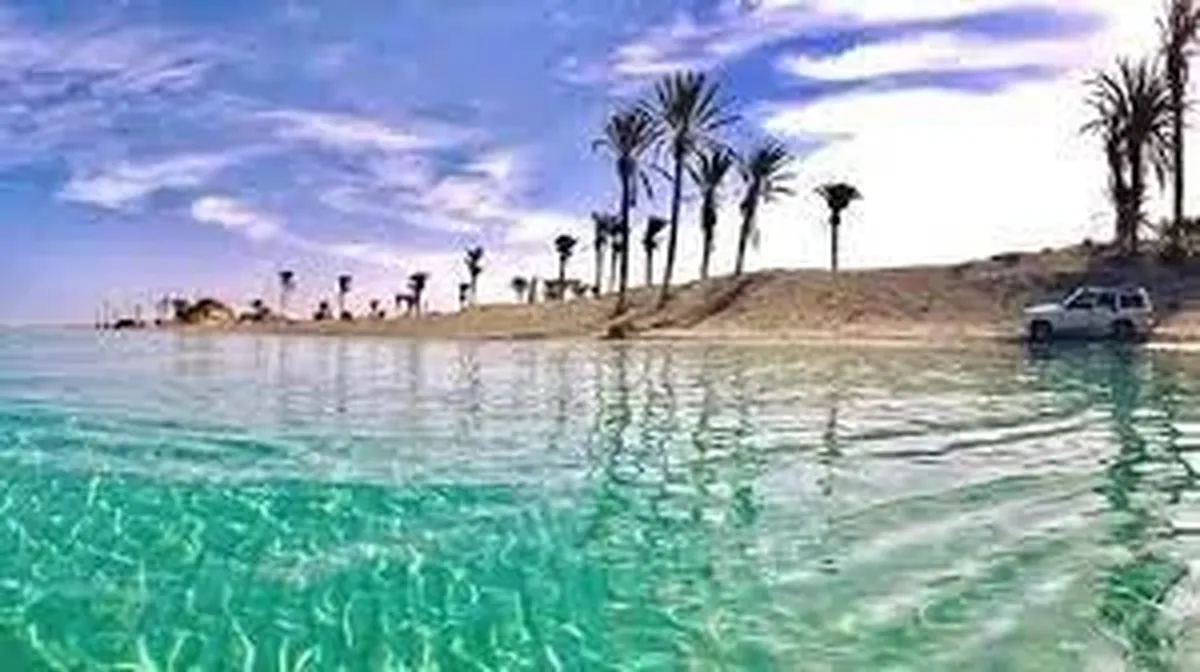 24 May 2026
Important insights for anyone considering relocating to Hurghada.
Important insights for anyone considering relocating to Hurghada.
Why Hurghada Attracts New Residents
Affordable Cost of Living: Hurghada offers a much lower cost of living compared to major global cities, with reasonably priced housing, utilities, food, and transportation. Renting a one-bedroom apartment in the city center can cost between approximately 4,000–6,000 EGP monthly (~£100-£300), and purchasing property is competitively affordable. Utilities and daily expenses are also low, making it ideal for expats, retirees, and digital nomads on a budget .
Excellent Climate and Natural Environment: The city enjoys over 320 days of sunshine annually, with mild winter temperatures around 22°C and cooler summer evenings thanks to coastal breezes. Its location on the Red Sea offers pristine beaches, clear water, and world-renowned diving and snorkeling opportunities, making it a paradise for outdoor enthusiasts and nature lovers .
Explore Panorama Hills, which offers relocators panoramic sea views and a peaceful elevated setting - a popular choice for those making Hurghada their permanent home.
Growing Infrastructure and Amenities: Hurghada is rapidly developing in terms of real estate, with new luxury compounds, gated communities, and modern residential complexes attracting investors and residents alike. Government investments have improved roads, public transport, and airport expansion—boosting connectivity and convenience. New shopping centers and entertainment hubs also enhance lifestyle quality .
Vibrant, Safe Community: The city maintains a laid-back yet safe environment with friendly locals and a growing expatriate community. This social mix supports a relaxed lifestyle while providing opportunities for social engagement and cultural experiences .
Discover La Mora Resort, which is popular among people relocating to Hurghada for its quiet community atmosphere, quality finishes, and residential-style living.
Healthcare and Services: Access to affordable, quality healthcare through private clinics and hospitals is another attraction for retirees and families. Healthcare costs are much lower than in Western countries, and facilities are expanding to meet the increasing demand .
Healthcare and Medical Facilities

Private Hospitals:
- Nile Hospital: Highly regarded for clinical excellence, equipped with advanced medical and diagnostic technologies (e.g., modern dialysis, bone density scanning, German dental implants), and staffed by highly trained physicians. Offers specialties such as nephrology, dental surgery, cardiovascular diagnostics, and more .
Aseel Medical Care Hospital: Specialized initially in orthopedic surgery, now a comprehensive 24/7 emergency and multi-specialty hospital. Holds international accreditation for quality in patient care and features state-of-the-art facilities .
On Call Clinic & Seka Medical Center: Modern outpatient clinics with English-speaking staff, offering services in cardiology, orthopedics, and general practice—very popular with expats and visitors. Strong reputation for convenience and friendliness .
Public Hospitals:
- Hurghada General Hospital: The largest state hospital, providing emergency services and basic medical care for the wider population .
Other notable hospitals: El Salam Hospital, El Gouna Hospital, Egyptian Hospital, El Kawther Hospital, Red Sea Hospital, and Asil Medical Center. Many of these cater to both locals and foreigners, with staff speaking multiple languages .
Specialist Clinics: Numerous dental and dermatology practices serve the city and surrounding areas, including clinics specializing in expat and tourist needs (e.g., Smile Dental Clinic, Red Sea Skin Center) .
Services, Insurance, and Accessibility
- Quality Standards: Many private hospitals are fitted with the latest diagnostic and treatment technologies, and are staffed by doctors with experience from leading national and international institutions .
Health Insurance: Health insurance is recommended for all residents and expats. Many opt for international providers (e.g., Allianz, Bupa), but local options like MetLife Egypt are also available. Out-of-pocket costs for routine and emergency care are significantly lower than in most Western countries .
Routine Care Costs: Routine check-ups are affordable, and emergency care is available around the clock. Pharmacies are widespread, well-stocked, and often deliver to homes .
Noteworthy Features
- Fast Access: Most clinics and hospitals offer walk-in appointments and quick response for emergency care, a major plus for expats and retirees .
Multilingual Support: Many facilities employ staff fluent in English, Russian, German, and other languages, catering to the international community .
Accredited Care: International accreditations and awards (for facilities like Aseel Medical Care Hospital) attest to high standards and patient satisfaction .
Hospital and Clinic Directory in Hurghada
Facility NameTypeFeatures/HighlightsNile HospitalPrivate Multi-specialtyAdvanced diagnostics, expat-friendlyAseel Medical Care HospitalPrivate, EmergencyOrthopedics, 24/7 ER, international awardOn Call Clinic, Seka MedicalClinicsEnglish-speaking, broad specialtiesHurghada General HospitalPublicEmergency & primary careEl Gouna/El Salam/EgyptianMixed/PrivateMultilingual, multi-specialtyRed Sea HospitalPublicIntegrated care, modern standards
Safety and Security in Hurghada
Hurghada in 2025 is generally considered a safe destination for residents and visitors, supported by a strong local focus on security and tourism protection. The city benefits from:
Low crime rates: Incidents of serious crime are rare. Most security concerns involve minor theft or occasional scams, but these are infrequent and can be mitigated by usual travel precautions such as securing valuables and avoiding risky areas .
High police and tourist police presence: Hurghada has a significant and visible police presence, especially in tourist hotspots, shopping centers, and hotels. Dedicated tourist police patrol popular areas to ensure visitor safety and provide assistance .
Political stability: While Egypt as a whole has experienced political unrest at times, Hurghada remains relatively stable and peaceful with minimal disturbances affecting daily life and tourism
Security measures: Enhanced security checks at hotels, malls, and public venues are common. Hotels typically employ security staff, CCTV, and controlled access to protect guests .
Safety tips: Visitors and residents are advised to take standard precautions such as avoiding walking alone at night in secluded areas, using licensed taxis, keeping belongings secure, and staying informed about local conditions .
Crime statistics: Public perception indexes report a low overall crime level (about 29 on a 0-100 scale with 0 being very low crime), with safety perceived as high during daylight (88) and fairly high at night (67). Issues like violent crime and property crime are rated low to moderate .
Natural disaster risk: Hurghada rarely experiences natural disasters like earthquakes, hurricanes, or floods, though it is located in a seismically active region .
In summary, Hurghada offers a safe and secure environment supported by strong law enforcement and tourism infrastructure. With sensible precautions, moving to or visiting Hurghada should present low safety risks, contributing to its appeal as an investment and lifestyle destination by the Red Sea.
Browse apartments for sale in Hadaba, one of Hurghada's most established residential neighborhoods and a top choice for long-term residents
Cultural Adaptation and Local Customs

fun things to do in Hurghada, Egypt
Embracing Local Life in Hurghada
Moving to Hurghada introduces new residents to a blend of Egyptian and cosmopolitan influences, resulting in a welcoming yet distinct cultural environment. Here are key points to consider for cultural adaptation and navigating local customs:
1. Language and Everyday Interaction
Arabic is the official language, but English is widely spoken in tourist areas, expat communities, and by those working in hospitality or real estate. Basic Arabic greetings and polite phrases (“sabah el kheir”—good morning, “shukran”—thank you) are appreciated and foster positive relationships.
In more local districts, a willingness to try simple Arabic expressions is seen as a respectful gesture.
2. Social Etiquette and Connections
Hospitality is a core value in Egyptian culture. Invitations to share tea or food, even briefly, are common and seen as a gesture of friendship. It’s courteous to accept at least a little refreshment when offered.
Greetings often involve handshakes, and locals will use the right hand for both eating and greeting.
Dress modestly when outside resorts or private compounds, especially in local markets and public areas. Swimwear is appropriate at beaches, pools, and tourist zones, but casual attire that covers shoulders and knees is recommended elsewhere.
Public displays of affection are very limited; holding hands is usually fine for married couples, but kissing and hugging in public is discouraged.
3. Religion and Celebrations
- Egypt is a predominantly Muslim country, and Islamic customs shape daily routines, especially during religious holidays such as Ramadan and Eid.
During Ramadan, eating, drinking, or smoking in public during daylight hours is considered disrespectful. Many restaurants operate limited hours, but major hotels and tourist venues often make accommodations for non-observers.
- Friday is the weekly day of rest, with many businesses opening late or being closed; local mosques broadcast Friday prayers.
4. Food and Dining Habits
Egyptian cuisine features grilled meats, fresh seafood, falafel, koshary, and local breads. Dining is a social affair, and meals may begin late in the evening, particularly in summer.
Tipping (baksheesh) is customary in restaurants, cafes, and service situations—typically 10-15%.
5. Community, Festivals, and Local Traditions
Hurghada, with its international community, hosts festivals celebrating both Egyptian and international holidays—look for events marking Coptic Christmas, New Year’s, and Red Sea festivals.
Local souks (markets) are vibrant cultural hubs—haggling is expected, and often seen as part of the shopping experience.
6. Integration Tips for Expats
Join social groups, sports clubs, or participate in local volunteer opportunities to meet residents and connect with the expat community.
Show curiosity and respect for local traditions; even simple participation in local holidays or greetings strengthens bonds with neighbors.
Final Thoughts: Is Hurghada Right for You?
Hurghada stands out in 2025 as an appealing destination for new residents thanks to its blend of affordable living, natural beauty along the Red Sea, expanding infrastructure, and welcoming local culture.
Key Strengths
Affordable Coastal Living: Housing, utilities, and daily expenses are notably lower than in Western Europe or major global cities, making Hurghada ideal for expats, retirees, digital nomads, and families seeking value and quality of life.
Natural Environment: Residents enjoy 320+ days of sunshine, beautiful beaches, world-class diving, and constant access to the outdoors—perfect for active lifestyles and well-being.
Modern Infrastructure & Healthcare: Fast-growing neighborhoods, new compounds, and reputable hospitals (including English-speaking private clinics) provide a comfortable, international-standard quality of life and peace of mind for healthcare needs.
Safety and Security: The city experiences low crime rates, high police visibility, and a stable, tourism-centric atmosphere, giving residents both security and access to well-managed amenities.
Welcoming Multicultural Community: Hurghada’s large international population and Egyptian hospitality mean newcomers are welcomed and can easily integrate—especially with an open attitude toward local customs and community engagement.
Key Considerations
Seasonal Variation: The city’s rhythm ebbs and flows with the tourist seasons. While this brings vibrancy and economic benefits, it can also mean more crowds in peak periods and a quieter atmosphere off-season.
Job Market: Most opportunities are in tourism, hospitality, and services, so financial stability (remote work, savings, or entrepreneurship) is important for newcomers outside these sectors.
Cultural Adaptation: Embracing a new language, customs, and etiquette—like modest dress in town and respecting religious traditions—will greatly enhance your experience and integration.
Infrastructure Gaps & Local Nuances: While modern services are expanding, internet speeds, bureaucracy, and some local services may differ from Western norms.
Who Will Thrive in Hurghada?
Hurghada is particularly well-suited for:
Retirees seeking affordable sun and easy living.
Remote workers and digital nomads wanting natural inspiration at a lower cost.
Young families who value international community, safety, and outdoor access.
Investors and entrepreneurs interested in a dynamic property or business market with growth potential.
Who Should Think Twice?
Those requiring specialized urban amenities, highly developed job markets in non-tourism fields, or who may find adapting to new cultures challenging, should carefully evaluate their priorities.
Final Takeaway
If you’re looking for affordable seaside living, strong social connections, reliable safety, and daily access to one of the world’s most beautiful marine environments, Hurghada is a compelling choice for relocation or investment. With a balanced perspective and readiness to adapt, most newcomers find Hurghada an enriching place to build their next chapter.