News & Insights
 19 May 2026
Why More People Are Moving to Small Beach Towns
Why More People Are Moving to Small Beach Towns
Key Factors Driving the Trend
Remote Work Opportunities: Flexible work arrangements make it possible to live far from city centers, leading more professionals to seek the comfort and scenery of small coastal communities.
Affordability: Lower property prices and living costs in beach towns allow for better quality of life, larger homes, and more financial security for both families and retirees.
Improved Lifestyle and Well-being: Proximity to the ocean promotes better health, reduced stress, and a sense of peace. Easy access to outdoor activities and community events fosters a healthier and more active lifestyle.
Escape from Urban Stress: Smaller towns offer relief from congestion, noise, and the high pace of urban life, providing a quieter and friendlier atmosphere.
Community Connection: Stronger social bonds, local traditions, and frequent interactions give residents a deeper sense of belonging and support.
The Rising Popularity of Small Beach Towns
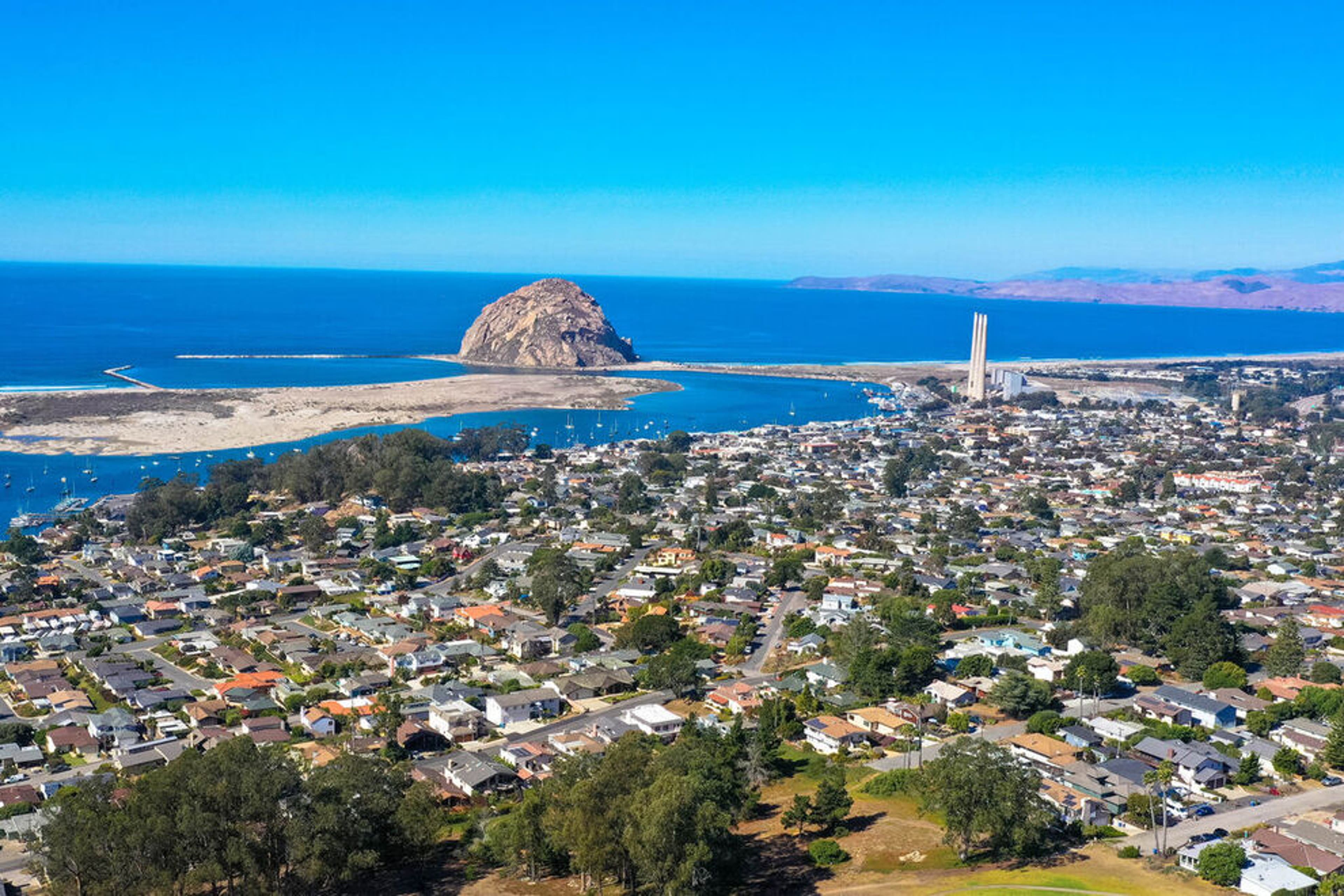

Key Trends Behind the Surge
- Migration to Small, Scenic Communities
In 2025, there’s a marked shift toward small towns, especially those with beach access. Increasingly, people are prioritizing locations with natural beauty, affordable living, and a more manageable population size.
- Remote Work and Flexible Living
The rise of remote and hybrid work models lets more individuals live far from big cities, making charming coastal towns a realistic option for professionals and families seeking a slower pace and inspiring scenery.
- Affordability as a Major Driver
Many small beach towns boast lower property prices and living costs than major metropolitan areas or celebrity-favorite beaches. Towns like Pascagoula, MS; Conway, SC; and selected spots across Florida’s Gulf Coast are repeatedly ranked as the most affordable and desirable destinations for homebuyers in 2025.
- Quality of Life and Wellness
Proximity to the ocean is linked to reduced stress and improved physical and mental health. Locals enjoy easy access to recreation like swimming, boating, and walking, with benefits for all demographics—from retirees seeking tranquility to young families focused on active living.
- Escape from Urban Pressures
Overcrowding, high prices, and congestion in urban centers propel people toward beach towns that offer peace, outdoor activities, and strong community ties without sacrificing access to job markets or amenities. Many of these desirable towns sit just outside major metros, balancing small-town charm with big-city convenience.
Shifting Preferences and New Destinations
- An Emphasis on Authenticity
Travelers and movers alike are seeking out lesser-known or “hidden” beach towns, avoiding overtourism in traditional hotspots. Destinations like Ksamil in Albania and Gulf Shores in Alabama are experiencing explosive interest due to their under-the-radar status and authentic, local appeal.
- Sustainable and Responsible Growth
As small beach towns grow in popularity, there’s a push to balance tourism and migration with environmental preservation and cultural authenticity. Community engagement, eco-friendly initiatives, and diverse local experiences help ensure long-term vitality for both residents and visitors.
Notable Small Beach Towns in 2025
Town/AreaStandout FeaturesAppeal in 2025Conway, SCNear Myrtle Beach, 4x more in-moves than exitsAffordable, growingPascagoula, MSMost affordable in the US two years runningCharming, affordableHilton Head Island, SCNature, arts, and cultural sceneGrowth among familiesKsamil, Albania“Maldives of Europe,” rapid search growthHidden gem, scenicGulf Shores, ALScenic coast, eco-tourismPopular travel spotSt. Augustine, FLHistoric charm, vibrant downtownResilient, restored
Demographics Driving the Movement
Retirees: Seeking affordable, peaceful coastal living.
Young Professionals: Attracted by remote work freedom and outdoor lifestyles.
Families: Drawn by safety, space, and quality of life improvements34.
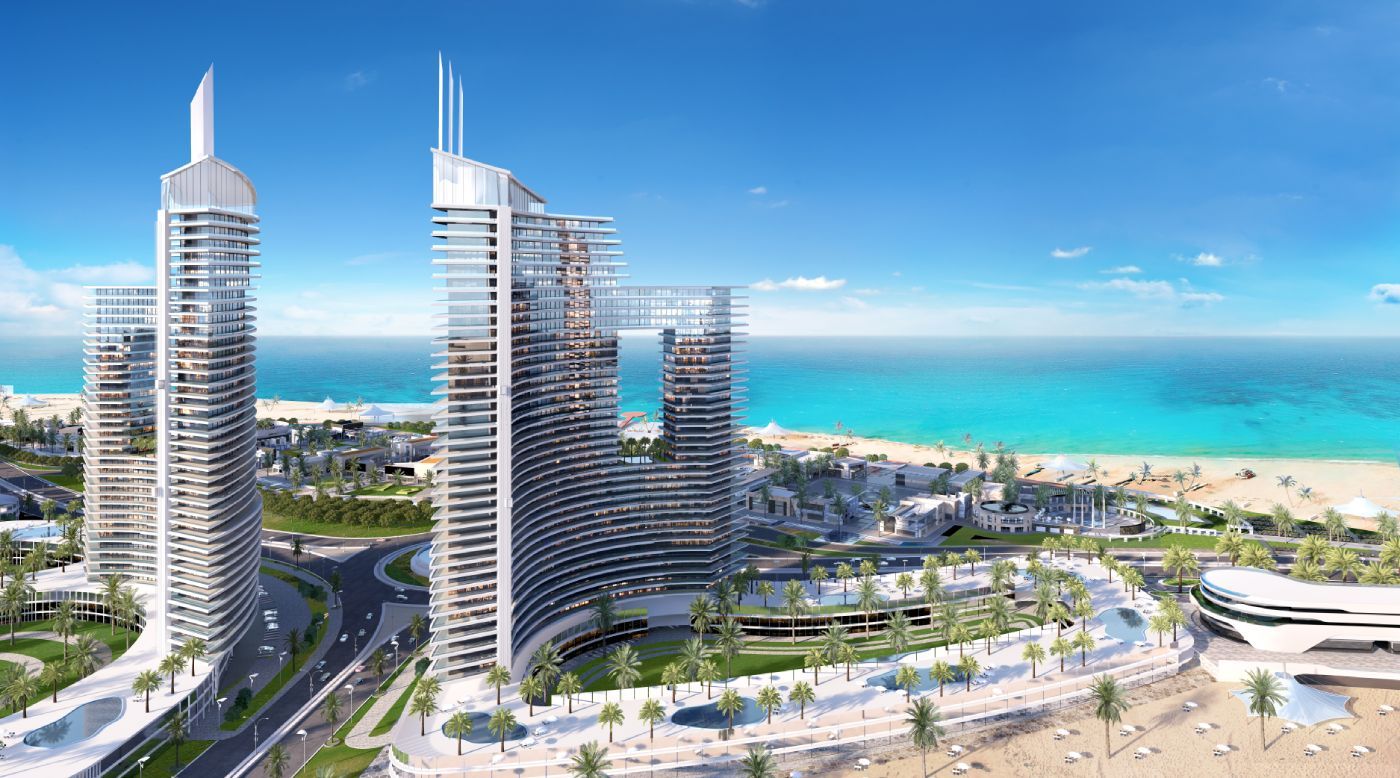
Best Coastal Areas in Egypt for Investment (2025)
1. North Coast (Sahel El Shamaly)
Why Invest: The North Coast remains Egypt’s real estate hotspot in 2025, offering luxury compounds, modern infrastructure, and strong capital appreciation. Key developments make this a year-round destination, not just for summer vacations.
Key Zones:
Ras El Hekma: Fastest-growing luxury area with property values up over 30% year-over-year. Hosts projects from top developers (Emaar, SODIC, Tatweer Misr).
New Alamein City & Sidi Abdel Rahman: Modern infrastructure, access to airports, branded hotels, and luxury resorts .
Popular Projects: Marassi, Hacienda (White, Bay, West), Mountain View Ras El Hekma, Silversands, Hyde Park North, Seashore.
Investment Highlights: Flexible installment plans, rental income potential, government-backed infrastructure, and a growing market of families, expats, and Gulf investors .
2. Hurghada (Red Sea)
Why Invest: Rapid development, year-round tourism, and strong rental yields make Hurghada a favored choice for foreign and local investors. Properties range from affordable apartments to luxury seafront villas.
Key Benefits:
Diverse property options (residential, vacation homes).
High occupancy rates due to booming tourism.
Close to Hurghada International Airport.
Notable Developments: World-class compounds, ongoing infrastructure upgrades, and considerable price appreciation.
Browse apartments for sale in Al Ahyaa, one of Hurghada's most authentic residential neighborhoods with a genuine small-community feel.
3. El Gouna & Sahl Hasheesh (Red Sea)
Why Invest: Prestigious resort towns designed for affluent investors and long-term expats. Features golf courses, marinas, private beaches, and integrated amenities.
Ideal For: Premium holiday rentals, luxury real estate, and permanent relocations.
4. Alexandria
- Why Invest: As Egypt’s historic Mediterranean city, Alexandria offers diverse opportunities— from Corniche waterfront properties to upmarket developments in Smouha and Sidi Gaber. Ideal for both residential and commercial investment with anticipated steady long-term appreciation .
5. Ain Sukhna
- Why Invest: Proximity to Cairo and beautiful Red Sea beaches make Ain Sukhna a favorite for weekenders and investors seeking strong rental demand. The market is growing, supported by luxury resorts, modern shops, and an ongoing rise in property values .
6. Marsa Matrouh & Sidi Abdel Rahman (North Coast)
- Why Invest: Famous for breathtaking beaches and increasing developer activity, these areas promise high yields on vacation homes and resorts. Especially attractive for investors pursuing beachfront hospitality or luxury compounds.
Comparison Table: Top Coastal Investment Locations
LocationKey AppealTypeNotable Projects/AreasNorth Coast (Sahel)Fast-growing, luxury, high ROIVillas, chaletsRas El Hekma, Marassi, HaciendaHurghadaYear-round tourism, affordable optionsAll property typesResort compounds, Central HurghadaEl Gouna, Sahl HasheeshPremium, expat-friendly, rentalsVillas, apartmentsEl Gouna Marina, Sahl Hasheesh ResortsAlexandriaHistoric city, long-term appreciationResidential/commercialCorniche, Smouha, Sidi GaberAin SukhnaProximity to Cairo, constant demandVacation homesPorto Sokhna, Little Venice Golf ResortMarsa Matrouh, Sidi Abdel RahmanStunning beaches, new luxury projectsHigh-end resorts, villasNew resorts, branded hotels
Key Factors for Investors
Capital Appreciation: Sahel El Shamaly (especially Ras El Hekma) and North Coast projects are seeing property values rise by 30%+ per year.
Rental Income: Strong short- and long-term rental potential in Hurghada, Ain Sukhna, and all major North Coast resorts.
Flexible Payment Options: Many developers offer low down payments and extended installment plans.
Infrastructure: Major expansions, airport access, planned cities (e.g., New Alamein), and 24/7 year-round living enhance investment stability.
Discover Storia Del Mare, which is a development that embodies the slower pace and romantic charm that draws people to small beach towns all over the world.
Is a Beach Town Right for Your Next Move
Key Benefits of Beach Town Living
Natural Beauty & Wellness: Living near the ocean can improve mental and physical well-being, offering daily access to scenic views, fresh air, and outdoor activities like swimming and boating.
Lifestyle Upgrade: Many find the casual, relaxed pace of coastal life refreshing compared to urban congestion. Strong community ties and regular local events foster a sense of belonging and connection.
Remote Work Opportunities: Growing acceptance of remote work allows you to choose your location for quality of life, not just career proximity. More professionals are relocating to smaller, scenic communities.
Rental Income: Properties in sought-after beach towns often generate steady rental income during peak seasons, which can offset living or investment costs.
Diverse Demographics: Beach towns attract retirees, families, and young professionals, leading to vibrant, multi-generational communities.
Challenges to Consider
Weather & Environmental Risks: Coastal towns are prone to natural hazards such as hurricanes, flooding, and erosion. These bring higher insurance premiums, maintenance costs, and occasional disruptions.
High Cost of Living: Property prices and daily expenses can be higher than inland areas, especially in popular destinations. Insurance and taxes may also be elevated to fund essential infrastructure and disaster mitigation.
Tourist Influx: Peak tourism seasons can lead to overcrowding, parking difficulties, and noisy environments, potentially affecting your privacy and daily routines.
Limited Job Markets: Outside of tourism and hospitality, local employment opportunities may be limited—remote or hybrid jobs are important considerations.
Seasonal and Community Factors: Some beach towns experience abrupt population changes between seasons or have a high number of part-time residents, which can affect year-round community cohesion.
Discover Balkan Beach Resort, which captures the spirit of small-town beach living, a relaxed, community-oriented development that represents the kind of place more and more people are choosing to call home.
Table: Is a Beach Town a Good Fit for You?
ConsiderationAdvantagePotential DrawbackLifestyleRelaxed pace, wellness, social tiesMay feel slower and isolated for urban dwellersCostProperty values may build equity over timeHigher upfront costs, insurance, and maintenanceCareerGood for remote/hybrid workersLimited local job opportunitiesLiving EnvironmentClean air, ocean views, recreationWeather risks, infrastructure challengesCommunityFriendly, close-knit, often multi-generationalHigh seasonal turnover in some destinationsInvestmentRental potential in tourist hotspotsRegulatory limitations and market fluctuations
Questions to Ask Yourself
Do you value access to outdoor recreation and natural beauty?
Are you comfortable with potential isolation or seasonal crowds?
Is your work situation flexible enough for a remote or locally limited job market?
Can you budget for higher property and insurance costs?
Are you prepared for the risks and responsibilities of coastal living, such as storm prep and property upkeep?
conclusion
Should You Move to a Small Beach Town?
The Allure of Coastal Living
Beach towns remain exceptionally popular for their natural beauty, relaxed lifestyle, and year-round access to outdoor recreation. Residents often report improved mental wellness, stronger community ties, and abundant opportunities for leisure and active living.
Remote work trends have fueled migration to these areas, as people prioritize lifestyle and environment over urban convenience.
Core Benefits
Well-being and Scenic Appeal: Regular access to the ocean and fresh air supports both mental and physical health.
Sense of Community: Smaller populations foster close connections and social support, while the presence of tourists brings vibrancy and investment.
Investment Potential: High demand for coastal homes—driven by tourism and desirability—often results in property appreciation and strong rental markets.
Challenges and Considerations
High Costs: Coastal properties command premium prices. Expenses related to insurance, maintenance (especially from salt and storms), and daily living tend to be higher than inland counterparts.
Climate and Environmental Risks: Risk of hurricanes, flooding, and erosion are inherent. Buyers must prepare for these hazards with robust insurance and maintenance plans.
Tourism Impact: In peak seasons, towns may experience overcrowding, strained local infrastructure, and a temporary loss of privacy for residents. These factors can affect quality of life, although they also bring economic benefits to the area.
Job Market: Most employment revolves around tourism, hospitality, and services. Outside of these sectors, local job opportunities can be limited unless remote work is feasible.
Table: Beach Town Living at a Glance
FactorPotential UpsideDrawback/ChallengeQuality of LifeWellness, outdoor recreation, scenerySeasonal crowds, isolation possibleCommunityStrong local ties, social engagementHigh turnover of part-time residentsCost/InvestmentHigh resale/rental value, property appreciationHigh purchase price, maintenance, insuranceTourism ImpactSupports local economy, better amenitiesCongestion, noise, reduced privacyWeather/EnvironmentMild climates, natural beautyHurricanes, flooding, erosionReal EstateStrong long-term appealCyclical market, regulatory limits
Key Takeaway
Relocating to a small beach town offers a compelling mix of relaxation, community, and investment appeal. However, coastal living brings higher costs, environmental risks, and unique lifestyle trade-offs—many linked directly to tourism and real estate pressures. Those considering this move should weigh personal priorities, ability to adapt to seasonal rhythms, and financial preparation before making the leap. For many, with the right planning, the rewards of seaside life can far outweigh the challenges.