News & Insights
Home Buyers Guide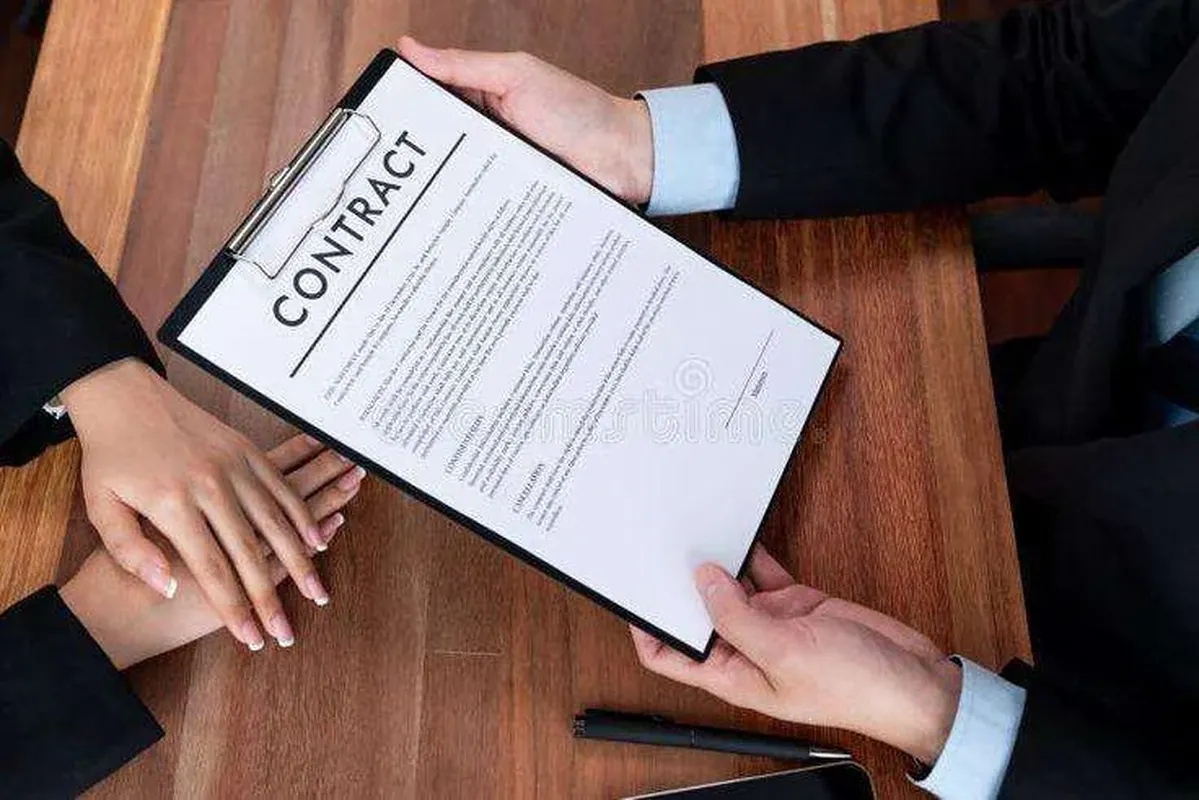 24 May 2026
Property Purchase Contract in Egypt: Complete Guide for Foreign Buyers 2026
Key Takeaways
Analyzing property purchase in Egypt shows the same transaction involves two contracts, the preliminary sales agreement and the final registered one, both carrying their own legal weight and both needing their own lawyer
The preliminary sales agreement is the most flexible and negotiable one document and the crucial one in the whole process, before any deposit is handed over, all the agreed terms have to be clearly stated in this document
If a term, a concession, or a condition is not inserted into the contract, according to Egyptian law, it does not exist at all, oral promises are not binding in Egypt
Notarizing a contract in Egypt requires it to be in Arabic, an independent translator should always verify the Arabic version, besides the developer's English translation
Purchases by foreign buyers require approval from the Council of Ministers before the final contract can be registered, this part should be allowed 4 to 8 weeks
At the Real Estate Registration Office (Shahr Aqari), the final contract is signed, only after the registration is done, the title deed (green contract) legally passes to the buyer
In order to engage in any transaction, foreign buyers, as a legal requirement, must get a Tax Card (Muhsid), this is not an option, but a must
Having a clear understanding of the contract made for buying property in Egypt is vital, especially for foreign purchasers. It is not that they just do it to get the keys but the fact that it is the legal basis of their whole investment. All the buyer's protections, all the seller's or developer's obligations, and all the conditions to be fulfilled before transferring one's money legally are only in existence if they are properly documented in one's contract papers.
Egypt's property contract process is a well-ordered, legally valid, and investor-friendly system that presents quite a few opportunities when one reads it right. Otherwise, there are quite a few risks which may be totally avoided by proper working out that will result from not having an independent lawyer, from not knowing what each document does or by placing trust in verbal promises.
For foreign buyers in Hurghada, this article is the guide that will provide detailed explanations of each stage of the property purchase contract process in Egypt in 2026
For a complete overview of the full buying process including costs and legal framework, see: Buying Property in Hurghada as a Foreigner: Complete Guide 2026
What Contracts Are Involved in Buying Property in Egypt?
Property purchase in Egypt is a gradual progress with various steps. Each document represents a different legal function, and one must pay attention to each one before signing it.
Here are four main documents that come one after another:
Reservation Agreement: If you have made a payment for the reservation to secure a particular property as legal researches and contract drafting are going on, then it is a preliminary promise paper that you generally sign. It is usually a short-form, developer-specific document and is not the main legal contract. However, it is legally binding for deposit conditions.
Preliminary Sales Agreement: It is the key document that governs the entire transaction process including price, payment system, delivery conditions, items, and duties of both parties. This contract is signed and negotiated before government approval and registration. This is the main document that must include buyer safeguards.
Power of Attorney/Tawkil: This is used by those buyers who are not present at every step physically. It is authorizing a trusted representative to act on one's behalf. The remote buyers, through Tawkil, are allowed to carry out preliminary and final contract phases even if they are not present in person.
Final Registered Contract: This one is the ultimate evidence of ownership. It is a public document that is registered at Real Estate Registration Office (Shahr Aqari) after Council of Ministers approval is obtained. With the registration of this document, legal title finally passes to the buyer.
It is an error to consider the signing of all these documents one event, only if you recognize that they are four separate documents with different timing, legal weight, and examination requirements.

A step-by-step overview of the property buying process for foreigners, explaining the key stages involved in signing a property purchase contract in Egypt.
What Is the Preliminary Sales Agreement and Why Does It Matter Most?
The preliminary sales agreement is the key contract that sets the quality standard of your purchase not the final registered document. Actually, when the final contract is ready for registration, most of the conditions have already been settled by the preliminary agreement. This is why an independent legal review of the preliminary contract before signing is the one thing that a foreign buyer can do to really protect themselves. You can also check international construction and property contract standards.
Here is what the preliminary sales agreement should have:
Party identification:
Complete legal names of both buyer and seller as per their passport or national ID records
The nationality and passport number of the buyer
Contact details for both parties
If the seller is a company: the corporate registration number and a letter of authorization from the signatory
Property identification:
Complete property address including the name of the residential complex, building number, floor, and apartment number
Property area in square meters (net and gross if different)
The number of bedrooms and a description of the floor plan
Any special reference numbers in the title documents
Financial terms:
Agreed purchase price must be clearly stated, not "as negotiated" but the specific figure
Payment structure: initial reservation deposit, following installments with their respective dates and amounts, final payment conditions
The currency of payment will be the local currency; however, foreign buyers can pay in foreign currency through a state-owned Egyptian bank
Late payment consequences it is advisable to carefully review the penalty clauses
Handover conditions:
Agreed handover date or completion timeline
Finishing standard at handover, shell finish, semi-finish, or fully finished with specific details
What furniture, appliances, or fixtures are included in the sale, every agreed inclusion must be explicitly listed
Defect rectification obligations, methods to be used for addressing defects upon handover and the time period within which it must be done
Legal obligations:
Buyer's acknowledgment and agreement of the five-year restriction on resale
Buyer's acknowledgment that registration will only be finalized after approval from the Council of Ministers
Seller's assurance that the property is not subject to any debts, liens, or legal controversies
Clauses stating the consequences if the government approval is denied or delayed for a substantial period
Contingencies and conditions:
Conditions that must be satisfied before the transaction is completed
Disposition of the deposit if either party defaults, conditions under which the buyer is entitled to a refund, the seller being subject to a penalty
What Must You Verify Before Signing Any Property Contract in Egypt?
Your independent lawyer should check and confirm the following:
For new developer properties:
Confirmation of the developer's registration and license with Egypt's New Urban Communities Authority (NUCA) or other relevant regulatory body
Building permits of the specific floors and units being sold, verify the legality of the building up to the height and specification marketed
Developers' capability and reliability, get information on finished projects prior to making any off-plan purchase decisions
Ensure that no mortgage or other financial claim exists over the development land that may affect your ownership
For resale properties:
The seller's officially registered title deed (green contract) from the Real Estate Registration Office
The complete chain of Tawkile for all previous owners, all transfers from the original developer must be documented
No debts, utility bills, or legal disputes are pending against the property
Confirmation that the physical details of the property align with those on the title document, the size, floor, and unit number must be an exact match
For a detailed guide to the Tawkil chain verification process, see: What is a Tawkil in Egypt? Complete Guide for Foreign Property Buyers
What Contract Clauses Require Particular Attention for Foreign Buyers?
Foreign buyers in Egypt are exposed to certain contractual risks that local buyers do not face such risks can arise due to language barriers, distance, and lack of familiarity with the local legal practices of Egypt.
Language risk: The Arabic version of the contract is the one that holds legal power. Developers or sellers' agents may provide English translations which might not be fully accurate or comprise all the terms of the Arabic version. Your lawyer should always examine the Arabic original not just the English version given to you.
Deposit refund conditions: Deposit your money only after clear and written definition of the terms under which your deposit will be returned to you in case of non-completion of the transaction especially if government approval is denied, title verification uncovers issues, or the developer fails to deliver on time.
Force majeure clauses: Learn what the contract defines as force majeure and what sort of relief this law offers to parties. Certain developer contracts contain very loose force majeure clauses that let the developer delay the delivery significantly without any penalty you should be very careful and thorough while revisiting such clauses.
Payment penalty clauses: Lots of developer contracts have penalty clauses for the late payment by buyers which could be excessively harsh. Make sure that these clauses are examined and, if it is possible, are subject to bargain before you make your signature.
Completion guarantee: In case of off-plan purchases, what obligations does the developer take upon himself in relation to the delivery timeline and the specification? If the delivery is late, do you have the right to receive financial penalties? Are there any escrow arrangements that protect your installment payments?
What Is the Reservation Agreement and How Does It Work?
A reservation agreement is usually the very first formal document that is signed in a property transaction in Egypt. It is a document that developers use to reserve a particular unit for a purchaser while they are drafting the preliminary contract and carrying out the legal checks.
Some typical things a reservation agreement will contain:
Property details (including unit number, floor, and size)
Sale price settled upon
Amount of reservation deposit, usually between EGP 10, 000 and 50, 000 depending on each property's value
Duration allowed for finalizing the preliminary contract, on average 2, 4 weeks
Rules under which the booking deposit will be refunded in case the preliminary contract is not signed
Beware: there are developers who offer reservation agreements that are so detailed that they can practically be considered as binding preliminary contracts, yet the buyers are given no proper time for the review. So never sign any document under pressure of time or without the lawyer's review, no matter what the document is called.
**Reservation deposit protection: **In writing, you should be sure about the circumstances in which your reservation deposit will be refunded if after the legal due diligence your finding of some problems leads to your decision not to continue with the deal. A non-refundable reservation deposit coupled with an inadequate time for legal review is an unfair condition which genuine developers do not impose.
How Does the Preliminary Sales Agreement Signing Process Work?
The most significant legal act in the Egyptian property purchase process is the signing of the preliminary contract.
Here is an outline of the procedures involved:
Step 1 - Agreement drafting: Your lawyer and seller's lawyer or the legal team of developer exchange contract templates. Then your lawyer thoroughly goes through the contract and reposes the parts requiring adjustment. Then negotiations take place to make changes that will safeguard your interests.
Step 2 - Review of independent translation: Your attorney or professional Arabic certified translator examines the Arabic contract version to confirm it contains all the agreed provisions an accurately reflects all the agreed terms. Disagreements between the Arabic and the English versions of the contract are eliminated before the signing.
Step 3 - Final negotiation: Any unsolved points are hammered out. Your attorney makes sure that any agreed concessions, price cuts, inclusions of furniture, payment plan changes, specifications of the standard of finishing, are explicitly stated in the Arabic contract text).
Step 4 - Signing: The buyer and seller (or their representatives authorized via Tawkil) sign the preliminary contract. Foreign buyers who buy remotely, this point is taken care of by the buyer's representative authorized by POA.
Step 5 - Payment of deposit: The deposit else first payment contracted in the contract is made. Foreign buyers' payment must be in foreign currency transferred via a state-owned Egyptian bank, keep all transfer documents as these are required for government approval.
**Step 6 - Confirmation of Legal Checks: **Your attorney confirms all pre-contract due diligence conditions have been fulfilled before the deposit payment is made.
What Is the Government Approval Stage and How Long Does It Take?
Any residential property that a foreign national wants to buy in Egypt has to get the government Council of Ministers' approval first, even before the final contract is signed. This is the law under Egyptian Law No. 230 of 1996 and it applies to all foreigners irrespective of their nationality, the type of property they want to purchase, or the method by which they intend to buy.
What the involvement of the approval process:
After you sign the preliminary contract, your lawyer files a request to the Council of Ministers on your behalf
Besides your passport, the preliminary sales contract, proof of payment, and property documents should be attached with the application
The Council studies the file and either grants approval or, in very rare situations, asks for more documents through correspondence
Schedule: Normally, one needs to wait four to eight weeks from the time of application submission for the approval. It can take longer sometimes your initial contract should specify the fate of your deposit if the approval is unreasonably delayed.
What Is the Final Contract and How Is It Registered in Egypt?
The signed contract in its registered form is the actual legal document that proves your ownership of the property. The difference being that while the preliminary contract only serves as a private agreement between buyer and seller, the final contract is officially registered with the Egyptian government thereby establishing the official ownership record that will be referred to in all subsequent transactions involving the property.
The process of registering with Shahr Aqari:
Step 1 - Document preparation: Your lawyer prepares the final contract documentation for submission to the Real Estate Registration Office (Shahr Aqari) in the district where the property is located.
Step 2 - Tax Card requirement: Foreign buyers, especially those who are not Egyptians, have to present their Tax Card (Muhsid) before the transaction is finalized, which is linked to your passport and can be acquired usually from a local bank. Make sure that you get this long before the last registration stage.
Step 3 - Registration fees payment: At the Shahr Aqari, registration fees amounting to 1-3% of the property's value are paid. However, for some residential transactions, fees may be capped, so check the applicable amount with your lawyer before the registration appointment.
**Step 4 - Final contract signing at Shahr Aqari: **In most cases, you will both sign the final contract at the Real Estate Registration Office. If you are buying remotely, this can be done by your authorized representative under the Tawkil.
**Step 5 - Title deed issuance: **After the successful registration of the contract, the official title deed, which people usually refer to as the "green contract" (????? ??????), will be issued in your name. This is the document that will serve you as the ultimate lawful proof of ownership and you must keep it in a safe place.
Step 6 - Post-registration obligations: Besides registration, you need to inform the Egyptian Tax Authority about the completion of the transaction, transfer the utilities accounts in your name, and inform the compound management about the ownership change.
What Are the Most Common Contract Mistakes Foreign Buyers Make in Egypt?
Relying on Verbal Commitments
In post-purchase disagreements in Egypt's foreign buyer market, this issue of over-relying on verbal agreements is the major cause that keeps popping up. Developers and sellers may verbally promise features, upgrades, delivery times, or price reductions but then these never show up in the final contract. As per Egyptian legal system, verbal promise cannot be relied upon for enforcement only terms of a contract that have been laid down in writing have force of law. Thus, the first contract must show clearly every agreed term.
Not Engaging Independent Legal Representation
Buyers who resort to using the developer's recommended lawyer or those who are without professional legal support during the contract negotiations are almost always the ones who get worse results as opposed to the ones who have independent representation. Your attorney is there to represent and protect your interests a lawyer recommended by the party you are buying from is a conflict of interest situation which through professional goodwill cannot be resolved.
Signing Under Time Pressure
Real developers and sellers do not apply real time pressure on contract signing. "If you don't sign today, this unit will be sold to someone else tomorrow" is a selling point used to pressurize the buyer, not a true indication of the state of the market. Do not sign any contract without sufficient time for legal review usually a minimum of 48, 72 hours for the first contract and longer for complicated transactions.
Paying Deposits Before Due Diligence Is Complete
The initial deposit or reserving deposit be given after you have done complete legal checking of the situation verifying the title, checking if the building has the right permits, checking the developer's credentials. If you make the payment before these are done, you would have lost the possibility of withdrawing without any consequences if the problems come to light."
Not Confirming the Resale Restriction in Writing
Some buyers, when they try to sell their property, find themselves caught by the five years restriction on re-selling. The preliminary contract should definitely state the buyer's recognition and going along with this restriction also your lawyer should, before you sign, go over the real life consequences of this for your investment plan with you.

A professional warning guide highlighting the most common legal and financial mistakes foreign buyers make when reviewing a property purchase contract in Egypt.
For guidance on negotiating the best contract terms before signing, see: How to Negotiate Property Price in Egypt: Buyer's Guide for 2026
What Are Your Rights if a Developer Fails to Deliver on Contract Terms?
Knowing your developer non-performance rights before signing is equally important as knowing what you are signing for!
Listed below are some typical developer breaches and solutions to them:
**Late delivery: **In case the contract stipulates a handover date and the developer does not meet it, the preliminary contract should include a clause where a financial penalty is paid to you for every month of delay. This clause has to be negotiated before signing, developers might object it but it is a standard protection that is included in well-structured contracts.
**Specification changes at handover: **When a developer delivers a property that has finishing, fixtures, or specifications that are different from those that were agreed upon and contracted, then you, as a buyer, can require that the property be brought up to standard before the handover is accepted.
Note down any specification differences during the snagging check and send the developer a formal written notice of these discrepancies before signing the handover acceptance.
Developer financial failure: That is the highest risk for off-plan buyers. In case a developer is unable to obtain the financial means to complete a project, your actions will be contingent on the unblocking of your frozen funds and the release of your documents, as well as on the facility or other security held by your bank. Your recourse depends on the payment protections in your contract and whether an escrow arrangement was in place. Check also international contract dispute resolution standards.
Legal procedure: Property law in Egypt has some tools through which home buyers can claim against developers and take their cases to the Egyptian courts. The efficiency and the schedules of judicial intervention differ --fare wary of foolproof due diligence and contract safeguards which rely heavily on prevention rather than dispute resolutions after breach.
What Does a Complete Pre-Signing Checklist Look Like for Foreign Buyers in Egypt?
Legal and title verification:
Local lawyer retained independently, has examined contract papers all written in Arabic
The seller's title deed is the registered and has no encumbrances
Permits for building were checked and are valid for the floors and units in this particular development
Developer license and registration have been checked (for new builds)
Complete Tawkil chain verified (resale properties)
Property was checked for debts or legal issues and none were found
Contract content verification:
Correct identification of all the parties with passport/ID details
Unit number, floor, size of the property have been verified correctly
Price or consideration of sale is explicitly mentioned in the contract in the agreed currency
There is a payment plan with dates and amounts specified
All amendments agreed upon are clearly shown in the Arabic contract text
Completion date and finishing specification agreed
Inclusions of all furniture and items are explicitly listed
Five years resale withholding is there
Conditions for the refund of deposits have been clearly explained
Clause about developer penalties for late delivery is present
Financial and administrative:
Foreign currency payment method confirmed, transfer from an Egyptian state-owned bank
Tax Card (Muhsid) either acquired or in the process
Funds for registration fees (1, 3%) and other transaction costs secured
The approval procedure of the Council of Ministers and its duration were learned
For buyers from a distance:
Designated Tawkil drafted and notarized in Arabic
Tawkil authorized representative's identity verified independently
Channel of communication with lawyer established for signing stage updates
Browse Al Kawther area apartments - ready to start your Hurghada purchase journey
What Projects in Hurghada Are Ready for Purchase with Full Contract Support?
Homes Bay collaborates with various well-established Hurghada developments where a complete purchase contract support along with independent legal advice is provided right from the initial stage of inquiry.
Browse Sheraton area listings - established neighborhood, full legal support
See all available apartments for sale in Hurghada
Ready to Move Forward With Your Hurghada Property Purchase?
Homes Bay helps buyers from abroad understand the entire property purchase contract process in Hurghada starting with an initial contract review and legal information, moving through the coordination of the government approval and ending with the registration of the property title.
We have a partnership with professional independent Egyptian property lawyers at the same time we keep it a point that each buyer knows exactly what they will be signing before making any commitment.
Browse available properties and start your purchase journey
Frequently Asked Questions
**What contracts are involved in buying property in Egypt? **Egyptian property purchasing steps include these main documents: a reservation agreement that reserves the unit, a preliminary sales agreement that decides all terms of the transaction, a Power of Attorney (Tawkil) in case of remote buyers, and a final registered contract at the Real Estate Registration Office (Shahr Aqari) which is the actual transfer of the title document. Actually, the preliminary sales agreement is the central document. This is the document where all safeguards for the buyer must be put in place before the buyer makes any substantial payment.
**Does a property purchase contract in Egypt need to be in Arabic? **Yes, only contracts in Arabic authenticated by Egyptian notaries or recorded at the Shahr Aqari are enforceable by law in Egypt. English versions do not have any legal power on their own they are simply for consultation purposes. Always get a certified translator or your lawyer to check the Arabic copy before you sign it.
How long does the property purchase contract process take in Egypt? Initially, a preliminary contract is signed in order to commence the procedure. Subsequently, final title registration will be accomplished. All of these steps normally require about three to five months. The approval stage by the Council of Ministers for foreign purchasers consumes the most time, i.e., four to eight weeks. This stage shall be followed by the Shahr Aqari registration processing. The preliminary contract can actually be signed in a couple of days after due diligence has been carried out and the contract terms have been agreed to.
What happens to my deposit if the property purchase falls through in Egypt? The terms to refund a deposit depend completely on what a preliminary contract has set forth. For instance, if the deal does not come through due to the property being legally problematic, title issues that are beyond remedy, or the developer not honouring their side of the contract, a properly prepared preliminary contract should have a provision for complete return of the deposit. In case the purchaser backs out for reasons other than the ones stipulated in the contract, the deposit usually remains with the seller as a penalty. Therefore, apart from a signing of the deposit refund conditions, the legal examination of the contract by a lawyer is a must.
Do I need Council of Ministers approval to buy property in Egypt as a foreigner? Yes in fact, no residential property in Egypt bought by foreign nationals can be at the final contract stage of registration without a Council of Ministers approval. Your lawyer will handle the application post the signing of the preliminary contract. Normally, getting the approval is going to take about four to eight weeks and that is when the title deed can be handed over to you.
What is the difference between the preliminary contract and the final contract in Egypt? The preliminary contract refers to a private agreement made between the buyer and the seller that lays out all the terms of a transaction it is the document where everything is discussed, negotiated and agreed upon. On the other hand, the final contract refers to the signed and registered document that officially transfers the legal title through the Shahr Aqari. Both are legally binding instruments; however, only the registered final contract makes the official ownership record that confers on you the full legal title.
Last updated: 2026 | Content reflects current Egyptian property law and Hurghada market practices. Always consult a qualified local lawyer before signing any property contract.